Community
Back to School & America’s 250th Anniversary with St. Elizabeth Ann Seton
By Raphael Roberts• 9/25/2026
•3 min
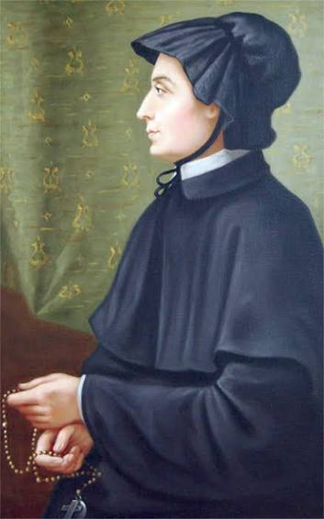
As another school year begins, the students of Mater Dei return to classrooms, teachers begin another year of instruction, and families once again settle into the familiar rhythm of books, lessons, homework and school activities.
But this year is different.
2026 marks the 250th anniversary of American independence. On July 4, 1776, the Declaration of Independence was adopted, beginning the history of the United States as an independent nation.
And there is perhaps no better Catholic figure through whom to look at both American history and Catholic education than St. Elizabeth Ann Seton.
An American Born in 1774
Elizabeth Ann Bayley was born in New York City on August 28, 1774—just two years before the Declaration of Independence.
She was therefore born in the final days of colonial America. The nation into which she was born did not yet exist. During her lifetime, she would witness the birth of the United States, its early struggles, and its development into a new nation.
Elizabeth was raised as an Episcopalian and came from a prominent New York family. Her father, Dr. Richard Bayley, was a physician and professor, while her maternal grandfather was an Episcopal minister on Staten Island.
She married William Magee Seton in 1794 and became the mother of five children. Her life, however, would soon be marked by suffering. William’s business failed, and while the family was in Italy seeking to improve his health, he died of tuberculosis in 1803.
Elizabeth was only twenty-nine years old and a widow with five children.
“At Last, God Is Mine”
It was during her time in Italy that Elizabeth encountered Catholicism more closely through the Filicchi family, who cared for her and her daughter after William's death.
Drawn especially to the Catholic belief in the Real Presence of Christ in the Eucharist, Elizabeth entered the Catholic Church in 1805. Her conversion came at considerable personal cost, since she faced opposition from members of her family and friends.
Yet her conversion would eventually lead to the work for which she is best remembered.
A School for a Young Nation
In 1808, Elizabeth went to Baltimore, where she was invited to establish a school for girls. The following year, she and her companions moved to Emmitsburg, Maryland, where they established the community that became the Sisters of Charity of St. Joseph’s—the first community of women religious founded in the United States.
In 1810, Mother Seton established St. Joseph’s Free School and Academy.
Her educational work became one of the foundations of organized Catholic education in the United States. While historians sometimes debate the precise claim that she founded the first Catholic school in America, there is no question that Seton played a major role in spreading and systematizing Catholic education during the early nineteenth century.
Her school combined academic education with religious formation and charity. Education was not simply about preparing children to earn a living. It was about forming the whole person—mind, character and soul. That is a lesson that remains remarkably relevant today.
Education as a Catholic Vocation
Mother Seton’s educational work quickly grew beyond a single school.
The Sisters of Charity began taking responsibility for schools and charitable institutions in other cities. In 1814, Seton sent sisters on their first mission outside Emmitsburg, and in 1817 three sisters were sent to New York to establish the Roman Catholic Orphan Asylum.
The small school begun by Mother Seton would eventually become part of a much larger Catholic educational tradition that spread throughout the United States.
She understood something that Catholic educators have continued to understand ever since: a school does more than teach subjects; it forms people.
A Saint for American Catholics
Elizabeth Ann Seton died in Emmitsburg on January 4, 1821, at only forty-six years of age. She had lived through widowhood, financial hardship, the deaths of loved ones, conversion, motherhood, religious life and the establishment of a new Catholic educational community.
Her cause for canonization eventually advanced, and she was beatified by Pope John XXIII in 1963. On September 14, 1975, Pope Paul VI canonized her as a saint. She became the first native-born American to be canonized by the Catholic Church.
A Saint for the 250th Anniversary
This makes St. Elizabeth Ann Seton particularly fitting for us to remember in America’s 250th anniversary year:
As we begin another school year, we can look to Mother Seton as an example of what Catholic education is meant to accomplish: to seek truth, to form virtue, to love God and to prepare young people to serve both their Church and their country.
Two hundred and fifty years after the birth of the United States, the work she began continues.
And so, as we go back to school, perhaps we should remember the woman who helped teach America how Catholic education could look.
St. Elizabeth Ann Seton, pray for us—and pray for our schools.
But this year is different.
2026 marks the 250th anniversary of American independence. On July 4, 1776, the Declaration of Independence was adopted, beginning the history of the United States as an independent nation.
And there is perhaps no better Catholic figure through whom to look at both American history and Catholic education than St. Elizabeth Ann Seton.
An American Born in 1774
Elizabeth Ann Bayley was born in New York City on August 28, 1774—just two years before the Declaration of Independence.
She was therefore born in the final days of colonial America. The nation into which she was born did not yet exist. During her lifetime, she would witness the birth of the United States, its early struggles, and its development into a new nation.
Elizabeth was raised as an Episcopalian and came from a prominent New York family. Her father, Dr. Richard Bayley, was a physician and professor, while her maternal grandfather was an Episcopal minister on Staten Island.
She married William Magee Seton in 1794 and became the mother of five children. Her life, however, would soon be marked by suffering. William’s business failed, and while the family was in Italy seeking to improve his health, he died of tuberculosis in 1803.
Elizabeth was only twenty-nine years old and a widow with five children.
“At Last, God Is Mine”
It was during her time in Italy that Elizabeth encountered Catholicism more closely through the Filicchi family, who cared for her and her daughter after William's death.
Drawn especially to the Catholic belief in the Real Presence of Christ in the Eucharist, Elizabeth entered the Catholic Church in 1805. Her conversion came at considerable personal cost, since she faced opposition from members of her family and friends.
Yet her conversion would eventually lead to the work for which she is best remembered.
A School for a Young Nation
In 1808, Elizabeth went to Baltimore, where she was invited to establish a school for girls. The following year, she and her companions moved to Emmitsburg, Maryland, where they established the community that became the Sisters of Charity of St. Joseph’s—the first community of women religious founded in the United States.
In 1810, Mother Seton established St. Joseph’s Free School and Academy.
Her educational work became one of the foundations of organized Catholic education in the United States. While historians sometimes debate the precise claim that she founded the first Catholic school in America, there is no question that Seton played a major role in spreading and systematizing Catholic education during the early nineteenth century.
Her school combined academic education with religious formation and charity. Education was not simply about preparing children to earn a living. It was about forming the whole person—mind, character and soul. That is a lesson that remains remarkably relevant today.
Education as a Catholic Vocation
Mother Seton’s educational work quickly grew beyond a single school.
The Sisters of Charity began taking responsibility for schools and charitable institutions in other cities. In 1814, Seton sent sisters on their first mission outside Emmitsburg, and in 1817 three sisters were sent to New York to establish the Roman Catholic Orphan Asylum.
The small school begun by Mother Seton would eventually become part of a much larger Catholic educational tradition that spread throughout the United States.
She understood something that Catholic educators have continued to understand ever since: a school does more than teach subjects; it forms people.
A Saint for American Catholics
Elizabeth Ann Seton died in Emmitsburg on January 4, 1821, at only forty-six years of age. She had lived through widowhood, financial hardship, the deaths of loved ones, conversion, motherhood, religious life and the establishment of a new Catholic educational community.
Her cause for canonization eventually advanced, and she was beatified by Pope John XXIII in 1963. On September 14, 1975, Pope Paul VI canonized her as a saint. She became the first native-born American to be canonized by the Catholic Church.
A Saint for the 250th Anniversary
This makes St. Elizabeth Ann Seton particularly fitting for us to remember in America’s 250th anniversary year:
- She was born before the United States existed.
- She lived through the American Revolution and the nation’s earliest years.
- She became a Catholic convert in the young United States.
- She founded a religious community in America.
- She established schools for American children.
- And she ultimately became the first American-born saint.
As we begin another school year, we can look to Mother Seton as an example of what Catholic education is meant to accomplish: to seek truth, to form virtue, to love God and to prepare young people to serve both their Church and their country.
Two hundred and fifty years after the birth of the United States, the work she began continues.
And so, as we go back to school, perhaps we should remember the woman who helped teach America how Catholic education could look.
St. Elizabeth Ann Seton, pray for us—and pray for our schools.